
The choice between leasing or purchasing a car is often a pivotal one, with far-reaching financial outcomes. With each path offering its distinctive pros and cons, it’s critical to delve deep into both possibilities before making a commitment. This in-depth exploration will dissect the elements of leasing and purchasing vehicles, shining a light on their individual perks and pitfalls. Our goal is to equip you with the insights needed to make an enlightened decision, perfectly tailored to your financial and personal context.
Decoding Vehicle Leasing
Over recent years, vehicle leasing has gained traction as a favored substitute for buying a car outright. This option entails signing a contract with a leasing firm, which grants you the use of a vehicle for a specific timeframe, usually ranging between two to four years. During this term, monthly payments are made to the leasing company, covering aspects such as the car’s depreciation, finance charges, and other contractually agreed fees. When the lease period concludes, you have the choice to either return the car or purchase it at its predetermined residual value.
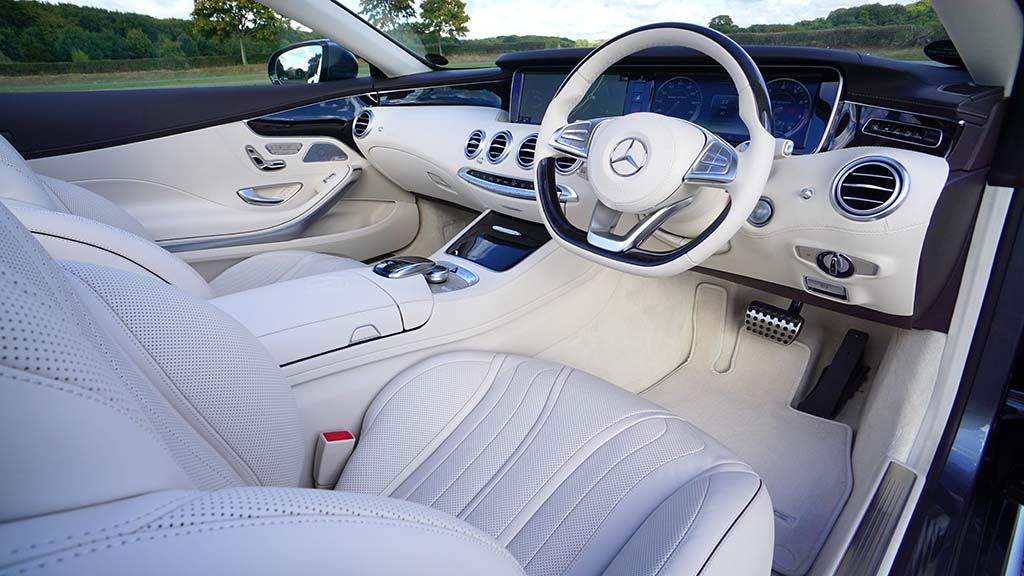
Leasing a Vehicle: The Highs and Lows
One of the enticing advantages of leasing a vehicle is its often lower initial down payment and subsequent monthly fees, making it a financially viable short-term option. Furthermore, leasing provides the unique advantage of regularly upgrading to a new vehicle, often boasting the latest tech and features, ensuring you’re continually driving a car at the pinnacle of automotive advancements.
However, leasing is not without its limitations. A significant downside is that you do not accrue any equity in the car, unlike when you purchase it. Leasing agreements also generally enforce mileage caps, which can lead to hefty penalties if exceeded. Lastly, while leasing might seem affordable in the short term, it could potentially be costlier in the long haul, as you consistently pay for the use of a car without ever achieving ownership.
Unraveling Vehicle Purchasing
Purchasing a vehicle, on the other hand, entails either settling the full purchase price upfront or financing the car via a loan. These loans are usually sourced from banks or other financial institutions. Once the loan is fully repaid, you become the outright owner of the car, providing you with the flexibility to retain, sell, or trade the vehicle as you deem fit.
Purchasing a Vehicle: The Upsides and Downsides
Purchasing a vehicle also provides a slew of advantages. Primarily, you generate equity in the vehicle, which can prove profitable if you plan to retain the car long-term or sell it later. Owning a car also liberates you from mileage constraints, permitting you to drive as much as you desire without the fear of incurring extra fees. Over an extended period, purchasing a car can also be more cost-effective, as you eventually become the owner and cease making payments.
Nonetheless, purchasing a car is not devoid of its drawbacks. It typically requires a heftier down payment and higher monthly payments in comparison to leasing, which can place a significant financial burden on buyers in the short term. Moreover, as the vehicle’s owner, you are liable for any maintenance and repair costs once the warranty period lapses, which could lead to substantial expenses over time.
Key Considerations in Your Decision
When pondering whether to lease or buy a car, several key considerations come into play. These encompass your current financial standing, driving habits, the significance of vehicle features to you, and your long-term intentions for the vehicle. Appraise your budget and ascertain which choice is more financially suitable for you. Reflect on the value you place on driving a new vehicle with advanced features versus accruing equity in a car that you could eventually own. Also, consider your driving habits, including the distances you typically travel, as any imposed mileage restrictions could significantly influence your choice. Lastly, contemplate your long-term objectives and whether you favor the flexibility of frequently changing cars or the stability and ownership that comes with buying a vehicle.
Guidelines for Making the Optimal Choice
To arrive at the optimal decision, consider these guidelines:
- Scrutinize your financial health: Conduct an in-depth review of your current financial standing and future aspirations. Ensure your decision aligns with your financial capabilities and long-term goals.
- Prioritize your preferences: Identify the car features, technological advancements, and ownership benefits that matter most to you.
- Reflect on your driving patterns: Consider the distances you typically cover and any potential variations in your driving needs in the future.
- Investigate and compare alternatives: Collect information on available leasing and financing deals, and compare the costs and benefits of each.
- Seek expert opinions: Consult with financial advisors or automotive specialists to gain a deeper understanding of your options.
Conclusion: Navigating Your Path
In the end, the decision to lease or buy a car is a personal one, influenced by your unique preferences, financial standing, and driving habits. By grasping the advantages and disadvantages of each option and taking time to analyze the factors that hold importance for you, you can make an informed decision that best fits your requirements. Whether you opt to lease or buy, the key is to ensure that your decision aligns with your individual circumstances, allowing you to reap the benefits of car ownership without undue financial strain.