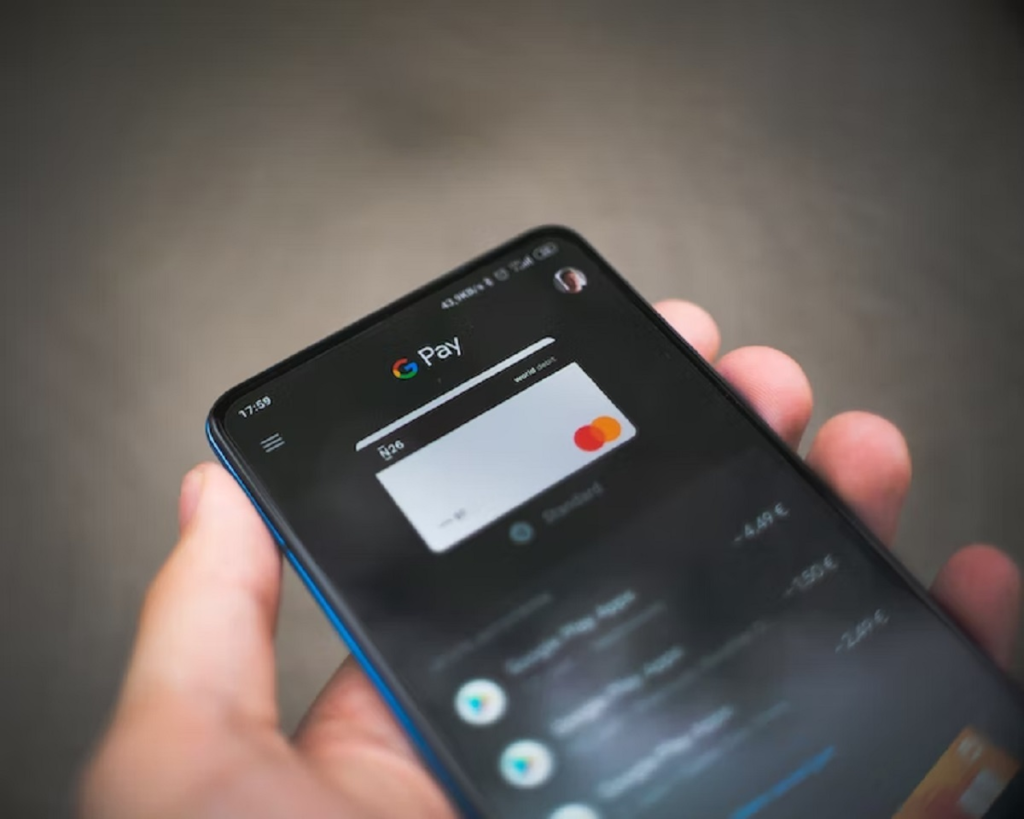
Have you ever wondered why Google temporarily holds your credit card when you make online purchases? Understanding this process will enable you to navigate online payments more confidently. So, let’s begin!
What is Google’s Temporary Hold on Credit Cards?
Google’s temporary hold on credit cards is a security measure implemented during online transactions. It refers to a temporary freeze placed on a specific amount of funds on a credit card to ensure the availability of funds to cover the transaction. This hold is usually released once the transaction is completed or canceled.
Why Does Google Implement Temporary Holds?
Google implements temporary holds to protect both merchants and consumers during online transactions. By securing the necessary funds, this practice minimizes the risk of insufficient funds, fraud, or canceled transactions. Temporary holds allow merchants to proceed with the transaction confidently, knowing that the required funds are available.

How Does Google’s Temporary Hold Work?
When you make a purchase using Google’s payment platforms, such as Google Pay or Google Merchant Center, a temporary hold is placed on your credit card. This hold reserves a specific amount, ensuring it is not used for other purposes. The hold typically reflects the expected cost of the transaction, including taxes and shipping fees. Once the transaction is completed, the hold is lifted, and the actual charge is processed.
Temporary Hold vs. Actual Charges
It’s important to distinguish between temporary holds and actual charges. While a temporary hold reserves funds on your credit card, an actual charge deducts the funds from your account. Temporary holds are a pre-authorization measure to confirm the availability of funds, while actual charges represent the final transaction amount.
Impact on Available Credit and Account Balances
During a temporary hold, the held amount is deducted from your available credit but does not impact your actual account balance. For example, if you have a $1,000 credit limit and a $100 hold is placed on your card, your available credit will temporarily decrease to $900. However, your account balance remains unaffected until the actual charge is processed.
Duration of Temporary Holds
The duration of temporary holds can vary depending on the merchant, the nature of the transaction, and the payment platform used. In most cases, the hold is released within a few days, usually after the transaction is completed or canceled. However, some merchants may have longer hold periods, especially for pre-orders or back-ordered items.
Merchant Authorization and Capture Process
When you initiate an online transaction, the merchant requests authorization from the payment processor. During this process, the merchant verifies the availability of funds by placing a temporary hold on your credit card. Once the authorization is received, the merchant captures the funds by converting the temporary hold into an actual charge.
Disputed Transactions and Temporary Holds
In the event of a disputed transaction, temporary holds play a crucial role. If you dispute a charge, the merchant can provide evidence of the temporary hold, proving that the funds were reserved but not captured. This documentation helps resolve disputes and ensures fair outcomes for both consumers and merchants.
Tips to Minimize the Impact of Temporary Holds
To minimize the impact of temporary holds on your credit card, consider the following tips:
- Ensure sufficient available credit before making online purchases.
- Confirm the merchant’s return and refund policies.
- Keep track of your transactions and check for any discrepancies.
- Contact the merchant directly if you have concerns or questions about temporary holds.
Google’s Security Measures for Credit Card Transactions
Google implements robust security measures to protect credit card transactions. These measures include encryption, tokenization, and compliance with industry standards such as Payment Card Industry Data Security Standard (PCI DSS). These safeguards help ensure the confidentiality and integrity of your payment information.
How to Check Temporary Holds on Your Google Account
If you want to check the status of temporary holds on your Google account, follow these steps:
- Log in to your Google account;
- Go to the Payments section or the transaction history;
- Look for any pending transactions or temporary holds;
- If needed, contact Google support for further assistance.
Temporary Holds on Debit Cards
While temporary holds are more commonly associated with credit cards, they can also apply to debit cards. The process is similar, with funds being temporarily frozen to ensure their availability for the transaction. However, it’s essential to note that debit card holds can directly impact your account balance.
Temporary Holds on Virtual Credit Cards
Virtual credit cards, often used for online transactions, are subject to temporary holds as well. The same principles apply, with funds being temporarily reserved to cover the transaction. As virtual credit cards are typically linked to your primary credit card, the hold amount may reflect on your primary card’s available credit.
Temporary Holds on International Transactions
Temporary holds on international transactions follow the same principles as domestic transactions. However, it’s worth noting that the hold duration may vary due to currency conversions, time zone differences, and international banking practices. Be sure to consider these factors when making purchases across borders.
Tips for a Smooth Transaction Process
To ensure a smooth transaction process when encountering temporary holds, consider the following tips:
- Keep your credit card information up to date to avoid any issues with authorization;
- Double-check the accuracy of the billing and shipping addresses before completing the transaction;
- Use secure and trusted payment platforms, such as Google Pay, for added protection;
- Review the merchant’s reputation and read customer reviews before making a purchase;
- Be aware of any potential international transaction fees that may apply;
- Save receipts and confirmation emails for future reference or in case of any disputes;
- Regularly monitor your credit card statements to detect any unauthorized charges promptly;
- Consider using virtual credit cards for online transactions to add an extra layer of security.
Alternatives to Credit Card Payments
If you prefer to avoid temporary holds or want alternative payment options, consider the following:
- Debit Cards: Use a debit card linked to your bank account to make direct payments without temporary holds. Be aware that funds may be deducted immediately;
- Digital Wallets: Utilize digital wallets like PayPal, Apple Pay, or Google Pay, which often provide a seamless and secure payment experience;
- Bank Transfers: Some merchants offer the option to pay via bank transfers or electronic funds transfer (EFT). This method bypasses the need for credit cards altogether;
- Virtual Currency: Explore the option of using cryptocurrencies like Bitcoin or Ethereum, which provide an alternative payment method with built-in security features;
- Buy Now, Pay Later: Consider installment payment options provided by platforms like Klarna or Afterpay, which allow you to pay for purchases over time.

Conclusion
Google’s temporary hold on credit cards is an essential security measure that protects both merchants and consumers during online transactions. By ensuring the availability of funds, temporary holds minimize the risk of insufficient funds, fraud, or canceled transactions. Understanding the concept of temporary holds empowers you to navigate online payments confidently and make informed decisions. Remember to monitor your transactions, keep track of temporary holds, and contact the merchant or Google support if you have any concerns. With this knowledge, you can enjoy secure and hassle-free online shopping experiences.
FAQs
A temporary hold typically lasts a few days, but the exact duration depends on the merchant and the transaction.
No, temporary holds do not result in overdrafts, as they only impact the available credit and not the actual account balance.
Yes, you can cancel a transaction during a temporary hold. Once canceled, the hold will be released, and the funds will become available again.
Yes, temporary holds are often referred to as pre-authorizations, as they serve the same purpose of verifying the availability of funds.
While temporary holds are common among online merchants, not all merchants utilize this practice. It may vary depending on the payment platform and the merchant’s policies.