
Wholesale banking, a term often heard in the corridors of finance, plays a critical role in the global economy. This whitepaper aims to demystify the concept of wholesale banking, exploring its services, clientele, and overarching impact on the financial world.
Expanding on the concept of wholesale banking, it’s important to delve into the distinct nature of the services it provides and its differentiation from retail banking. This sector of banking is tailored specifically to the needs of large-scale entities, which are vastly different in scope and complexity compared to the requirements of individual consumers and small businesses catered to by retail banking.
Wholesale banking is characterized by its high-value transactions and complex financial products. The clientele, including corporations, other financial institutions, government bodies, and large non-governmental organizations, demand a level of service that goes beyond the routine financial needs of depositing savings or applying for personal loans. These clients often require intricate financing solutions, extensive risk management services, and advice on large-scale investments and transactions. In contrast to retail banking, where the focus is on mass-market banking products and services, wholesale banking deals with fewer clients but with much larger transaction volumes. The nature of these transactions requires a higher degree of customization and a deep understanding of each client’s industry and specific financial situation.
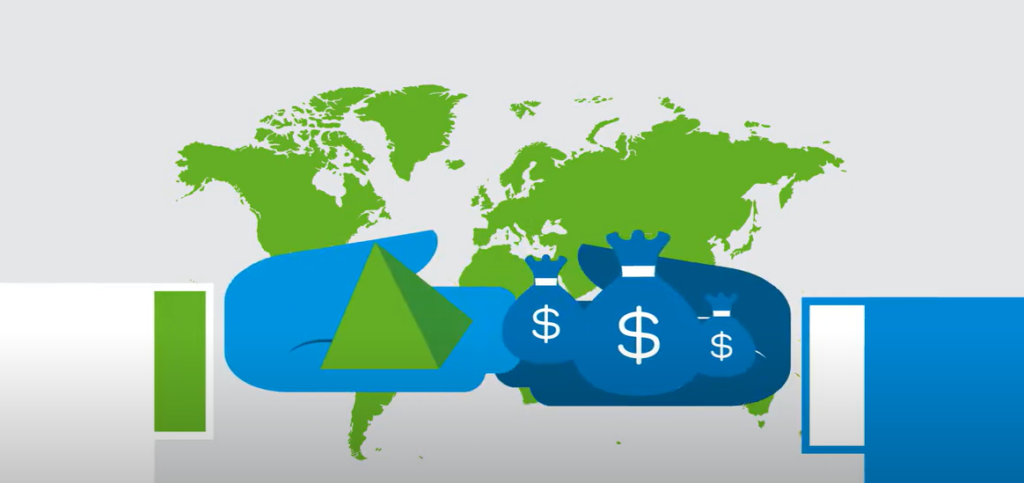
Moreover, wholesale banking plays a crucial role in the overall economy by providing the necessary capital and financial services to major players in various sectors. It facilitates international trade, supports large infrastructure projects, and aids in economic development through its specialized services. In essence, wholesale banking is a vital component of the financial services industry, offering tailored banking solutions to meet the complex demands of large-scale clients. Its role is distinct from retail banking, with a focus on serving the high-end of the financial market and contributing significantly to the functioning and growth of the global economy.
Wholesale banking encompasses a wide array of services, including but not limited to, commercial lending, treasury and securities services, asset management, and underwriting. These services are tailored to meet the complex and substantial financial needs of large entities.
Key Services in Wholesale Banking
Commercial Lending and Financing
A cornerstone of wholesale banking is providing large loans and credit facilities. These range from short-term working capital finance to long-term loans for capital projects.
Treasury and Cash Management
Wholesale banks offer specialized treasury services, managing large-scale cash flows, foreign exchange, and liquidity management for their clients.
Investment Banking Services
Wholesale banks often engage in underwriting securities, facilitating mergers and acquisitions, and providing advisory services for major financial transactions.
The Clients of Wholesale Banking
The clientele of wholesale banking includes multinational corporations, large institutions, government bodies, and sometimes high-net-worth individuals. These entities require financial services on a scale that is far beyond the scope of what retail banking offers.
Addressing Financial and Operational Risks
The substantial transactions characteristic of wholesale banking inherently carry significant financial and operational risks. These risks necessitate the implementation of advanced risk management strategies by banks to safeguard against potential losses. Given the scale of operations in wholesale banking, even minor miscalculations or oversights can lead to substantial repercussions. Therefore, managing these risks effectively is not just a regulatory requirement but a critical business imperative.
Credit risk, or the risk of loss due to a borrower’s failure to make payments, is a prime concern in wholesale banking. To mitigate this risk, banks employ rigorous credit analysis methods, often utilizing sophisticated predictive models to assess the creditworthiness of clients. These models take into account various factors, including market conditions, the borrower’s financial health, and historical data, to predict the likelihood of default.
Market volatility is another significant risk in wholesale banking. Fluctuations in interest rates, exchange rates, and commodity prices can have a substantial impact on the value of the bank’s assets and liabilities. To manage this risk, banks often use hedging strategies, employing financial instruments like futures, options, and swaps to offset potential losses.
Operational risk, including the risk of loss from inadequate or failed internal processes, people, and systems, is also a critical area of focus. This includes everything from cybersecurity threats to human error. Banks are increasingly investing in technology to improve operational efficiency and reduce errors. This includes automation of processes, robust cybersecurity measures, and continuous monitoring and updating of IT systems.
Furthermore, banks are leveraging data analytics for risk management. By analyzing vast amounts of data, they can identify potential risks and anomalies early, allowing for timely intervention. This also includes keeping a keen eye on global market trends and economic indicators to anticipate and prepare for market shifts.
The Importance of Sustainable Practices
In the current era, where the focus on sustainability is intensifying, wholesale banks are finding themselves at a critical juncture. The pressure to integrate environmentally and socially responsible practices into their operations has become more pronounced than ever. This shift is not just a response to regulatory demands but also a recognition of the growing importance of sustainable practices in the financial sector.
Wholesale banks are now required to go beyond traditional financial metrics and consider the broader impact of their activities. This means incorporating environmental, social, and governance (ESG) criteria into their decision-making processes. When it comes to lending and investments, these banks are expected to assess the potential environmental and social impacts rigorously. This could involve evaluating the carbon footprint of a project they are financing or the social implications of investing in a particular industry.
Moreover, this shift towards sustainable banking practices is increasingly seen as a business imperative. Clients, investors, and regulators are demanding greater transparency and responsibility in how banks operate and where they allocate funds. There is a growing understanding that sustainable practices are not just ethically important but can also lead to better long-term financial performance and risk management. Therefore, in this era of heightened environmental and social consciousness, wholesale banks are adapting by embedding sustainability into the core of their business models.
Technological Advancements in Wholesale Banking
Technology is reshaping the landscape of wholesale banking. The adoption of digital platforms, automation, and blockchain technology is enhancing efficiency, reducing costs, and offering more secure and transparent transaction processes.
Embracing FinTech Collaborations
The collaboration between wholesale banks and FinTech companies marks a pivotal shift in the financial landscape, bringing a wave of innovation and efficiency to traditional banking practices. In a world where digital transformation is not just an option but a necessity, these partnerships are proving to be instrumental for wholesale banks to stay ahead in the game.
FinTech companies, known for their agility, innovative approaches, and technological prowess, are providing wholesale banks with tools and solutions that are reshaping the way banking is done. This includes advancements in areas like blockchain technology, which offers enhanced security and transparency for transactions, and artificial intelligence, which provides deeper insights into market trends and customer behavior.
One significant area of collaboration is in the realm of payment processing and transaction speed. FinTech solutions are enabling wholesale banks to process large volumes of transactions more quickly and securely, a critical factor given the scale of transactions in wholesale banking. Moreover, FinTech innovations in data analytics and risk assessment tools are empowering wholesale banks with more accurate and comprehensive methods to assess credit risks and make informed lending decisions. Another key area where FinTech partnerships are adding value is in customer experience. By leveraging technology, wholesale banks are able to offer more personalized and efficient services to their clients. This could range from sophisticated online platforms for managing large-scale financial portfolios to using predictive analytics for providing tailored investment advice.
Furthermore, FinTech collaborations are helping wholesale banks in regulatory compliance. With the regulatory environment becoming increasingly complex, FinTech solutions are aiding banks in navigating these challenges more effectively. Automated compliance systems and regtech (regulatory technology) innovations are ensuring that banks adhere to the latest regulations without compromising on efficiency. The synergy between wholesale banking and FinTech companies is creating a dynamic environment where innovative solutions are addressing traditional banking challenges. This collaboration is crucial not just for staying competitive but also for driving the future of banking in a digitally dominated world.
Future Trends in Wholesale Banking
The future of wholesale banking will be shaped by its ability to anticipate and adapt to market changes. This includes responding to global economic shifts, regulatory changes, and the evolving needs of large-scale clients.
Focus on Customer-Centric Solutions
As the landscape of wholesale banking becomes increasingly competitive, banks are shifting their focus towards a more customer-centric approach. This strategy is pivotal in differentiating themselves in a crowded market and building long-term relationships with their clients. By offering tailored services that cater to the specific needs of each client, wholesale banks are not only enhancing customer satisfaction but also driving business growth.
The role of data analytics in this paradigm shift cannot be overstated. With the advent of big data, wholesale banks have access to an unprecedented amount of information. By effectively leveraging this data, they can gain deep insights into their clients’ preferences, behaviors, and financial patterns. This level of understanding allows for the creation of personalized banking solutions that resonate more closely with each client’s unique requirements.
Personalization in wholesale banking could involve customized investment advice, tailored financing solutions, or bespoke risk management strategies. By demonstrating a deep understanding of their clients’ business models and industry nuances, wholesale banks can position themselves as indispensable partners rather than mere service providers.
Conclusion
Wholesale banking is an indispensable part of the global financial system, catering to the unique needs of large entities and driving economic progress. As it continues to evolve, embracing technological advancements, sustainable practices, and customer-centric approaches will be essential. With its significant role in shaping economies and supporting large-scale enterprises, wholesale banking will undoubtedly continue to be a dynamic and influential sector in the world of finance.