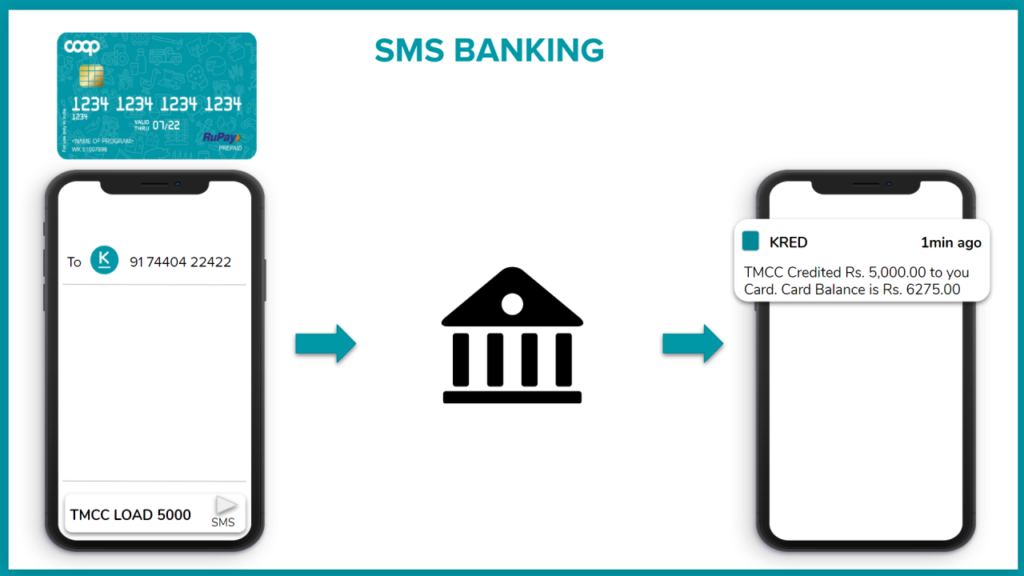
Discover how SMS banking relates to mobile applications and how it enhances convenience for users. Embrace the seamless and secure world of SMS banking, a valuable tool for managing finances on the go. With the increasing reliance on smartphones, banking services have evolved to accommodate the digital landscape.
One such service is SMS banking, a convenient and secure way to perform various financial transactions using simple text messages. In this article, we dive deep into what SMS banking entails, how it relates to mobile applications, and why it is a crucial aspect of user security in the realm of mobile banking.
What Is SMS Banking and How It Works
SMS banking, also known as text banking, allows users to access their bank accounts and perform specific financial activities through text messages on their mobile devices. These transactions are usually initiated by sending specific codes or keywords to a designated SMS banking number provided by the bank.
Common SMS Banking Services
- Balance Inquiry: Users can check their account balance by sending a predefined code or keyword to the SMS banking number. The bank responds with the current account balance, enabling users to stay informed about their financial status;
- Mini Statements: SMS banking allows users to request mini statements that provide a summary of recent transactions and account activities, ensuring better financial management;
- Funds Transfer: Users can transfer funds between their own linked accounts or to other beneficiaries by initiating secure text-based instructions through SMS banking;
- Bill Payments: SMS banking facilitates bill payments for various utilities and services, making it a convenient way to settle bills on time.
Enabling Mobile Applications with SMS Banking
SMS banking often collaborates with mobile applications to enhance the overall user experience. It complements banking apps by providing essential features for users who may not have access to the internet or prefer a simpler interface for transactions. SMS banking acts as a fallback option, ensuring seamless banking services regardless of the user’s network connectivity.
Convenience and Importance of SMS Banking
- Accessibility and Inclusivity. SMS banking breaks barriers by making financial services accessible to users with basic mobile phones, including feature phones. This inclusivity ensures that a wider demographic can participate in digital banking, even in areas with limited internet connectivity;
- Real-Time Updates. SMS banking provides real-time updates on account balances and transactions, allowing users to stay informed about their financial activities without the need for internet access;
- Enhanced Security. SMS banking employs two-factor authentication (2FA) by sending transaction verification codes to the user’s mobile device. This additional layer of security helps prevent unauthorized access and ensures secure mobile transactions;
- No Data Consumption. SMS banking does not require internet data, making it a cost-effective option for users concerned about data usage. This feature is particularly beneficial for individuals in regions with expensive or limited data plans.
SMS Banking for Enhanced Financial Control
Transaction Alerts and Notifications
One of the key benefits of SMS banking is the ability to receive real-time transaction alerts and notifications. Whenever a transaction is initiated, be it a fund transfer, bill payment, or debit/credit on the account, the user receives an instant SMS notification. This feature allows users to monitor their account activity closely and detect any suspicious or unauthorized transactions promptly. The timely alerts serve as an additional layer of security, helping users take immediate action in case of any potential fraudulent activity.
Quick and Convenient Balance Inquiry
Checking account balance through SMS banking is a quick and hassle-free process. Users can simply send a predefined code or keyword to the designated SMS banking number, and within seconds, they receive an SMS displaying their current account balance. This convenience is particularly beneficial for those who prefer a straightforward and efficient method to stay updated on their finances without the need to log in to a banking app or access the internet.
SMS Banking and Security

Two-Factor Authentication (2FA)
SMS banking often utilizes two-factor authentication (2FA) to enhance security. When initiating certain transactions, such as fund transfers or bill payments, the user is required to enter a unique verification code sent to their mobile device via SMS. This additional step ensures that only the authorized account holder can complete the transaction, reducing the risk of unauthorized access to the account.
Transaction Limitations
To prevent potential fraudulent activities, most banks impose transaction limitations for SMS banking. These limitations restrict the maximum amount that can be transferred or paid through SMS banking. By setting transaction limits, banks aim to protect users from significant financial losses in case of any security breaches or unauthorized transactions.
Conclusion
SMS banking stands as a powerful tool that bridges the gap between digital banking and users with basic mobile devices. Its convenience, accessibility, and enhanced security make it an invaluable aspect of modern-day mobile banking.
By enabling mobile applications and complementing internet-based services, SMS banking ensures that users can manage their finances seamlessly, even in areas with limited internet connectivity. Embrace the advantages of SMS banking and its significance in enhancing user security, as it continues to empower individuals worldwide to take control of their finances through simple text messages.