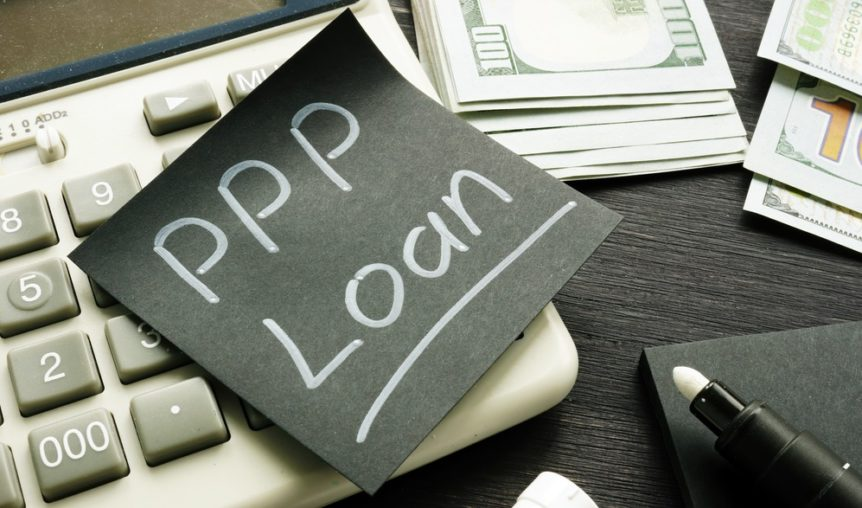
The Paycheck Protection Program (PPP) was a critical lifeline for countless small businesses during the economic turmoil caused by the COVID-19 pandemic. However, with any large-scale program, there is a potential for abuse. PPP loan fraud occurs when individuals or businesses intentionally misrepresent information to secure funds unlawfully.
Understanding PPP Loan Fraud
PPP loan fraud encompasses a range of deceptive practices employed to illegitimately obtain funds from the program. Fraudulent activities may include falsifying business information, inflating payroll expenses, submitting multiple applications, or misusing loan proceeds. By engaging in such practices, fraudsters divert resources away from deserving businesses in need. The consequences of loan fraud can be severe, including legal repercussions and financial penalties.
Recognizing Potential Signs of Fraud
To effectively report PPP loan fraud, it is crucial to identify suspicious behavior and irregularities. Here are some common red flags that may indicate potential fraud:
Multiple Applications from the Same Business
Fraudsters may attempt to submit multiple applications using different business names, tax identification numbers, or employer identification numbers. Recognizing the submission of duplicate or near-identical applications can be a strong indicator of fraudulent activity.
Inflated Payroll and Employee Count
Intentionally inflating payroll expenses and employee counts is another tactic employed by fraudsters. By exaggerating these figures, individuals seek larger loan amounts than they are entitled to. Keep an eye out for suspiciously high payroll claims, especially from businesses with limited staff.
Fictitious or Shell Companies
Fraudsters often create fictitious or shell companies to exploit the PPP program. These entities may lack proper business operations, substantial assets, or an established history. Pay attention to applications from unfamiliar or recently established businesses, as they may require closer scrutiny.
Misuse of Loan Proceeds
PPP loans are intended to support payroll expenses, rent, utilities, and other eligible costs. However, some fraudsters may misuse the funds for personal gain, unrelated business ventures, or extravagant purchases. Unusual spending patterns or unauthorized use of loan proceeds may signal potential fraudulent activity.

Reporting PPP Loan Fraud
If you suspect PPP loan fraud, it is crucial to report it promptly. By doing so, you contribute to upholding the integrity of the program and helping deserving businesses receive the aid they require. Follow these steps to report potential instances of fraud:
Gather Evidence
Before reporting fraud, collect any evidence you have that supports your suspicions. This may include documents, emails, communications, or any other relevant material that can substantiate your claims. The more concrete evidence you can provide, the stronger your case will be.
Contact the SBA
The Small Business Administration (SBA) is responsible for overseeing the PPP program. Reach out to the SBA’s Office of Inspector General (OIG) to report suspected fraud. Provide them with a detailed account of the fraudulent activity, supporting evidence, and any pertinent information that can aid their investigation.
Contact Your Local Authorities
Additionally, you can inform your local law enforcement agencies about the suspected fraud. While the SBA’s OIG focuses on federal offenses, local authorities may have jurisdiction in certain cases. Cooperating with both federal and local agencies can maximize the chances of exposing and stopping fraudulent activities.
Protecting Small Business Relief Programs
Preventing PPP loan fraud requires a collective effort. Here are some key measures that can help safeguard the integrity of small business relief programs:
Enhanced Verification Procedures
Implementing robust verification processes during the loan application stage can help identify and prevent fraudulent attempts. By verifying applicant information, including tax records, payroll data, and business legitimacy, lenders and the SBA can mitigate the risk of fraudulent loans being approved.
Ongoing Auditing and Monitoring
Regular audits and ongoing monitoring of PPP loans can reveal any suspicious activities or misuse of funds. Lenders, in collaboration with the SBA, should conduct periodic checks to ensure compliance and identify potential fraud. Timely detection can prevent further abuse of the program.
Conclusion
Reporting PPP loan fraud is a vital step in maintaining the integrity of small business relief programs. By recognizing potential signs of fraud, gathering evidence, and promptly reporting suspicious activities to the appropriate authorities, we can protect deserving businesses in need. Remember, your vigilance and action contribute to a fair and equitable distribution of resources, ensuring that small businesses receive the support they require during challenging times.