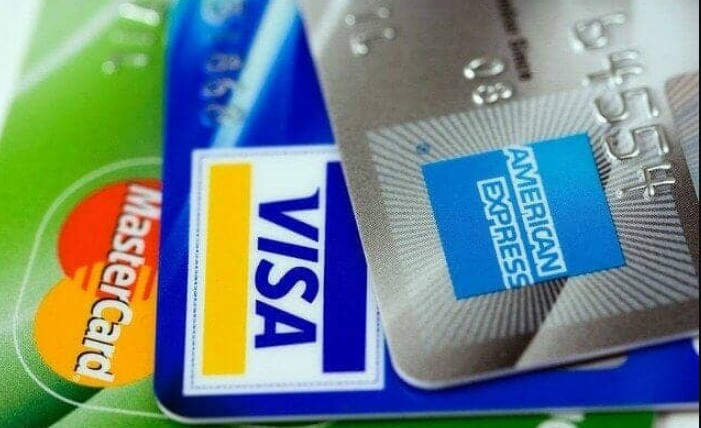
As a financial advisor, understanding various credit card (CC) types is crucial to guiding clients toward effective financial management. One such card type with immense potential is the 4147 card. In this article, we delve into its specifics, advantages, and responsible usage, helping individuals in their financial journey.
Which Credit Cards Start with 4147?
For a financial consultant, it is crucial to study and comprehend different types of CCs to guide their clients toward more effective financial management. One such card type with tremendous potential is the 4147 card.
In this article, we will thoroughly examine the features, benefits, and responsible usage of the 4147 type to assist people in their financial development.
Types Of Credit Cards
CCs come in various types, each adapted to different financial needs and lifestyles. As a financial consultant, it’s essential to understand the distinctions between these card types to effectively guide clients. Here are some common types of CCs:
- Rewards Cards: These cards offer rewards for every dollar spent, such as cashback, bonus points, or travel miles that can be exchanged for goods, gift cards, travel bookings, or statement credits. Rewards CCs are ideal for individuals who make regular purchases and want to benefit from their expenses;
- Travel Cards: Designed for frequent travelers, they offer special rewards for trips, such as airline miles, hotel points, or travel insurance. Some cards may also provide privileges like airport lounge access and concierge services;
- Cashback Cards: Cashback cards give the cardholder a percentage of their purchase amount back as cash rewards. These cards are simple and popular among those who prefer direct monetary benefits;
- Low APR Cards: These cards have a lower Annual Percentage Rate (APR) for purchases and balance transfers, making them suitable for individuals planning to carry a balance or consolidate existing CC debt;
- Balance Transfer Cards: Cards with balance transfer options allow users to transfer a CC balance with a high-interest rate to a new card with a lower or zero introductory APR. This helps save on interest and pay off the debt faster;
- Secured Cards: Intended for individuals with limited or poor credit history, secured cards require a cash deposit as collateral. The credit limit usually equals the deposit amount, helping cardholders build or rebuild their credit;
- Student Cards: These cards, designed for college students, typically have lower credit limits and may offer benefits like cashback on student-related expenses. They are an excellent way for young people to start building credit responsibly;
- Business Cards: Meant for small business owners, these cards offer features and rewards that cover business expenses. They help separate personal and business finances while earning rewards for business spending;
- Charge Cards: Unlike traditional CCs, charge cards require cardholders to pay the full balance monthly. They have no preset spending limits but expect responsible payment;
- Premium Cards: Also known as luxury or elite cards, premium-class cards offer exclusive benefits like airport lounge access, concierge services, travel credits, and premium rewards. They often come with higher annual fees and require excellent credit;
- Retail: These cards, issued by specific retailers, offer rewards and discounts for purchases made at their respective stores. They can be beneficial for loyal customers who frequently shop at the store;
- No Annual Fee: These cards do not charge an annual fee, making them cost-effective for users who want to enjoy CC benefits without any additional expenses.
It is crucial to carefully examine the terms and advantages of each card before choosing one. As a financial consultant, by guiding clients toward the most suitable CC type based on their financial goals and spending habits, you can build a stronger financial foundation.
What Do Credit Card Numbers Mean?
CC numbers have a specific structure determined by the card issuer and payment network. Each part contains essential information, and understanding its format can help identify the issuer and card type.
However, it’s important to note that they should be treated as confidential information and should not be disclosed without a valid reason.
Below are the common components:
- Issuer Identification Number (IIN) or Bank Identification Number (BIN): These are the first six digits identifying the issuer or bank that issued the card;
- Major Industry Identifier (MII): The first digit identifies the industry or category of the card. For example:
- Airlines;
- Airlines and other future industry assignments;
- Travel and entertainment (e.g., American Express, Diners Club);
- Banking and financial (e.g., Visa, Mastercard);
- Banking and financial (e.g., Visa, Mastercard);
- Merchandising and banking/financial;
- Petroleum and other future industry assignments;
- Telecommunications and other future industry assignments;
- National assignment.
Issuer-specific account number: These digits, excluding the check digit (last digit), form the account number unique to the cardholder:
- Check digit: The last digit is the check digit, used to verify the validity of the entire CC. It is calculated using a specific algorithm with the other digits of the card number;
- Cardholder Account Number: This is the cardholder’s account number with the issuer, unique to each card. For example, Visa and Mastercard typically consist of 16 digits, with the first digit being “4” for Visa cards and “5” for Mastercard cards. For American Express, the number consists of 15 digits, with the first digit being “3.”.
It is essential to emphasize once again that numbers should be handled with extreme care and confidentiality as they contain sensitive information that, if misused, can lead to identity theft or fraud.
List of Card BIN/IIN Numbers
Below is a table presenting a partial list of card BIN/IIN numbers along with their corresponding Major Industry Identifier (MII) and card type.
| Card BIN/IIN Number | Major Industry Identifier (MII) | Card Type |
|---|---|---|
| 414720 | 4 | Visa |
| 414721 | 4 | Visa |
| 414722 | 4 | Visa |
| 414723 | 4 | Visa |
| 414724 | 4 | Visa |
| 414725 | 4 | Visa |
| 414726 | 4 | Visa |
| 414727 | 4 | Visa |
| 414728 | 4 | Visa |
| 414729 | 4 | Visa |
| 414730 | 4 | Visa |
| 414731 | 4 | Visa |
| 414732 | 4 | Visa |
| 414733 | 4 | Visa |
| 414734 | 4 | Visa |
| 414735 | 4 | Visa |
| 414736 | 4 | Visa |
| 414737 | 4 | Visa |
| 414738 | 4 | Visa |
| 414739 | 4 | Visa |
Note that this is an incomplete list that may not include all BIN/IIN numbers for cards. BIN/IIN numbers represent the first six digits of the CC number and are used to identify the issuing institution and card network.
Different financial institutions may issue cards with the same BIN/IIN number, so the characteristics and terms of the card may vary. For accurate and detailed information about each CC product, individuals should consult the issuer of the specific card or conduct further research.
Types Of Credit Cards That Start With 4147
Analyzing a CC number provides valuable information about its type. While each card has a unique sequence, the first four digits play a crucial role in determining its specific card type.
What does the “4” mean on a credit card?
The “4” is the first digit known as the Major Industry Identifier (MII). MII indicates the industry category that issued the card:
- In particular, “4” as the MII indicates that the CC belongs to the banking and financial industry;
- CCs starting with “4” are usually associated with Visa. Visa is one of the largest payment networks, processing transactions worldwide. As a result, most CCs issued by banks or financial institutions starting with the digit “4” are typically Visa;
- It is essential to remember that credit card numbers have a specific structure, and the first digit (MII) provides valuable information about the type of card and the industry to which it belongs.
The subsequent digits in the credit card number, along with other factors such as the Issuer Identification Number (BIN/IIN) and the cardholder’s account number, help identify the specific card and its issuer.
What do the remaining numbers mean?
The remaining digits on the credit card after the Major Industry Identifier (MII) provide essential information that uniquely identifies the card and its issuer. While credit card numbers may vary in length, they usually have a specific structure that contains various data points. Let’s break down the meaning of the remaining digits:
- Issuer Identification Number (IIN) or Bank Identification Number (BIN): The following several digits after the MII (typically 5 to 6 digits) form the IIN or BIN. This segment identifies the specific financial institution or bank that issued the CC;
- Cardholder Account Number: After the IIN/BIN, the subsequent digits (of varying length) make up the cardholder account number. This unique number identifies an individual cardholder’s account with the issuing financial institution;
- Check digit: The last digit of the credit card is the check digit. It is calculated using a mathematical formula based on the preceding digits and serves as a verification digit. The check digit helps ensure the accuracy of the entire credit card number and is used to detect random errors in the number.
It’s important to note that the format and length of CC numbers may vary depending on the payment network and card type (Visa, Mastercard, American Express, etc.). Each payment network and issuer has its specific rules for generating credit card numbers to ensure security and uniqueness.
However, it’s crucial to remember that credit card numbers are confidential information and should be kept private. Sharing them or other personal information online or with unauthorized individuals can lead to identity theft or fraud. Always prioritize safeguarding your financial data and share it only with trusted individuals and reputable financial institutions.
What is the CVV number, and is it safe to give?
The CVV (Card Verification Value), also known as CVC (Card Verification Code) or CSC (Card Security Code), is a three- or four-digit security code printed on the back of most credit and debit cards (Visa, Mastercard, and Discover) or on the front of American Express cards. It is an additional level of security used to confirm that the person making the transaction online or over the phone physically possesses the card.
The CVV code is not embossed or printed on the card, making it challenging to obtain just by looking at the card. This provides an extra layer of security compared to the card number, which is often visible on the front of the card.
Is it safe to provide the CVV number? In general, in certain situations, providing the CVV is considered safe:
- Legitimate merchants: When making purchases from reputable and well-known merchants, providing the CVV is relatively safe. Legitimate merchants typically implement robust security measures to protect your payment information;
- Secure websites: Ensure that you enter your CVV code on a secure and encrypted website (look for “https://” in the website address). Secure websites protect data during transmission, reducing the risk of interception;
- One-time transactions: CVV is intended for one-time use during a transaction and is not stored by merchants. This reduces the risk of compromising your CVV in case of data breaches.
However, there are specific situations where you should never disclose your CVV:
- Suspicious requests: Exercise caution with unsolicited phone calls, emails, or messages requesting your CVV. Legitimate organizations will not ask for your CVV via email or text message;
- Unknown websites or merchants: Do not provide your CVV on unfamiliar websites or to merchants you do not trust. For online purchases, use reputable and verified platforms;
- Over the phone: Be cautious when providing your CVV over the phone, especially if you did not initiate the call. Always ensure you are dealing with a legitimate and reliable organization;
- Saved payment information: Avoid saving your CVV on websites or apps that offer to store payment information. Opt for manually entering the CVV for each purchase.
Conclusions
Credit cards starting with “4147” belong to a specific card issuer or financial institution using this BIN/IIN range (Bank Identification Number/Issuer Identification Number). While the precise details of CCs with the “4147” prefix may vary depending on the issuing organization, certain patterns and characteristics can be identified.
As the financial industry evolves, new credit card offerings may emerge, and special BIN/IIN ranges may be assigned for different card types. For the most up-to-date information about CCs starting with “4147” or any other BIN/IIN range, it is advisable to directly contact card issuers or reputable financial institutions.